

Five Things I Learned Through My Open Campus Placement Experience
Updated: May 20
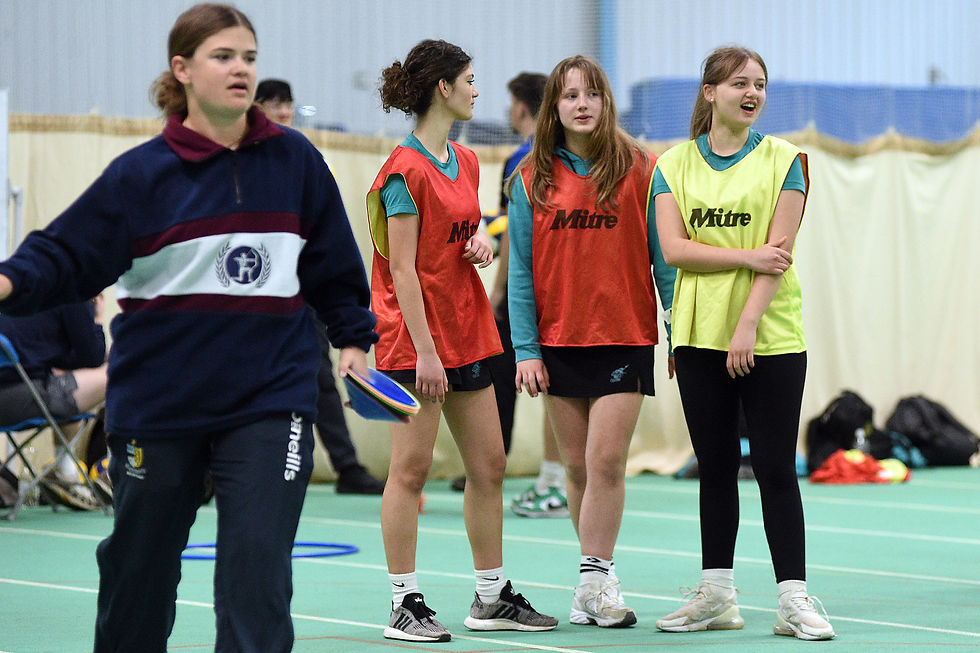
My role within Open Campus involved planning, delivering, adapting, communicating, engaging, and coaching a range of sports activities for children, tailored to their age groups and abilities. The sessions focused on various physical activities, including athletics, football, rugby, badminton, and netball. These sessions were delivered across several primary schools, working with pupils from Year 1 to Year 6, with class sizes ranging from 20 to 60 children. Additionally, I had the opportunity to work with pupils from a Special Educational Needs/Additional Learning Needs (SEN/ALN) school, which further broadened my experience.

Key Learning and Development
Through this experience, I developed several key skills. These included behaviour management, effective planning and delivery of activities, adapting sessions spontaneously, quick decision-making, encouraging participation, and recognising the importance of clear communication, engagement, and demonstration.
These skills are highly relevant to my future career, particularly in working with children of different ages and abilities. The experience also enhanced my understanding of the importance of physical activity in children’s development. Furthermore, working collaboratively with school staff and fellow coaches allowed me to gain insight into professional teamwork within an educational setting.
Overall, this experience significantly improved my confidence, practical skills, and professional understanding. Continuous engagement with pupils, alongside collaborative planning and delivery with other coaches, enabled steady progress and skill development over time.
What Worked Well
Several aspects of the Open Campus programme supported my development, particularly teamwork and communication among coaches. Effective collaboration ensured sessions were organised and delivered efficiently.
Additionally, thorough preparation contributed to the smooth running of sessions. Having planned activities in advance, alongside backup ideas, allowed for flexibility when unexpected situations arose. Access to appropriate equipment and the opportunity to reflect with coaches after each session were also valuable in improving both delivery and future planning.
Areas for Improvement
Despite the positive aspects, there are areas I could improve. One key area is planning for all possible scenarios. For example, during one session, insufficient equipment meant that we had to quickly adapt the session, limiting the range of activities we could deliver. This highlighted the importance of contingency planning.
Another area for development is leadership. I recognise that I could have taken more initiative in leading activities, as other coaches often assumed this role. Increasing my contribution in leading sessions would help to further develop my confidence and leadership skills.






Comments